WA’s New $50,000 Rule; Patios, Carports and Sheds
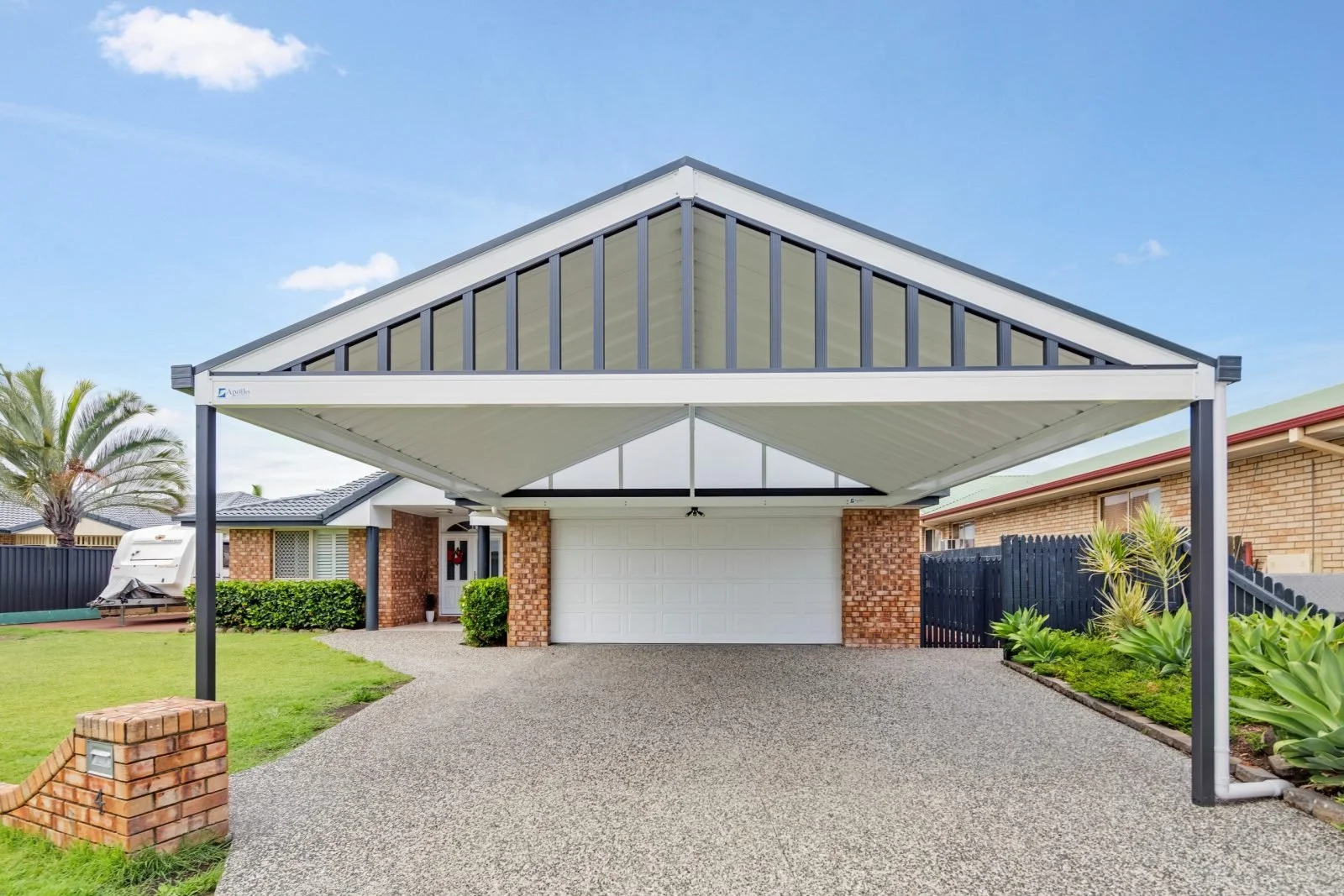
From 1 July 2026, Western Australia introduced an important change affecting the construction of patios, carports, sheds, private garages and other non-habitable structures.
For certain Class 10a buildings valued at less than $50,000, the work no longer needs to be carried out by a registered building contractor.
Previously, the general threshold was $20,000.
The change provides homeowners and small contractors with greater flexibility when undertaking relatively low-risk building projects. However, it is important to understand exactly what has changed — and what has not.
What is the new $50,000 rule?
Under the current WA requirements, building work is generally considered “builder work” requiring a registered building contractor where:
a building permit is required;
the work is valued at $50,000 or more for a Class 10a building; and
the work is carried out within the prescribed area of Western Australia.
For most other building classes, the existing $20,000 threshold continues to apply.
This means that a qualifying Class 10a project valued at less than $50,000 can now potentially be constructed without engaging a registered building contractor.
Importantly, $50,000 itself is not below the threshold. Where the applicable Class 10a work is valued at $50,000 or more, builder registration requirements may apply.
What is a Class 10a building?
A Class 10a building is a non-habitable building.
Common examples include:
Patios and roofed outdoor areas
Carports
Private garages
Sheds
Similar non-habitable outbuildings
The WA Government specifically identifies private garages, carports and sheds as Class 10a buildings and advises that roofed outdoor areas commonly referred to as patios in WA are also generally considered Class 10a.
The important word is non-habitable.
The new threshold does not automatically apply to structures designed or converted for people to live in.
For example, it should not be assumed to apply to:
Granny flats
Bedrooms
Habitable extensions
Studios intended for habitation
Garage-to-bedroom conversions
Other Class 1 building work
For most building work outside Class 10a, the existing $20,000 registered builder threshold remains.
Does this mean I no longer need a building permit?
No.
This is probably the most important distinction.
The legislative change relates to who is required to carry out or contract for the work. It does not remove the requirement to obtain a building permit.
The WA Government has expressly confirmed that building permit requirements for Class 10a buildings remain unchanged.
Depending on the property and the proposed structure, you may still require:
Development Approval
A Building Permit
Building design and construction drawings
Structural engineering
Building surveying/certification
Planning variations
Strata or property-owner consent
Other authority approvals
The structure must also continue to comply with the applicable National Construction Code, Australian Standards and approved building documentation.
So, “no registered builder required” does not mean “no approval required”.
Can a homeowner build their own patio, shed or carport?
Potentially, yes.
The WA Government has confirmed that a homeowner can construct a qualifying Class 10a building valued at less than $50,000 without obtaining owner-builder approval.
The homeowner is still responsible for ensuring the work complies with the applicable building standards, building permit and any other approvals required for the property.
This could make smaller projects significantly easier for homeowners who want to manage construction themselves or engage individual trades directly.
Can an unregistered contractor now construct a Class 10a building?
For qualifying work below the threshold, yes.
The WA Government states that smaller service providers and businesses can now construct Class 10a structures such as sheds, carports, patios and private garages valued at less than $50,000 without being registered building contractors.
However, removing the registration requirement does not remove the contractor’s obligations to perform the work correctly.
Electrical, plumbing and other regulated trades must still be carried out by appropriately licensed tradespeople where required.
Consumers should also consider the contractor’s experience, insurance, previous projects and ability to construct in accordance with approved drawings and engineering documentation.
How is the $50,000 value calculated?
The threshold should not simply be interpreted as the amount you pay one particular tradesperson.
The estimated value of building work can include relevant components such as:
Materials and manufactured products
Labour
Necessary services
Fees
Overheads
Profit margin
GST
Where there is a comprehensive building contract, the contract price including GST will generally form the basis of the estimated value.
This is particularly important for owner-managed projects where materials and labour are being purchased separately.
Can I split a $60,000 project into two $30,000 contracts?
Not simply to avoid the registration requirements.
WA Government guidance specifically warns that where building work is substantially one project, it should not be artificially separated into smaller projects to bring each contract below the applicable occupational licensing threshold.
The overall nature and value of the building work need to be considered.
What protections still apply to homeowners?
The change does not remove general consumer protection requirements.
For home building work contracts between $7,500 and $500,000, WA's home building contract legislation can impose requirements including written contracts, restrictions on deposits and genuine progress-payment requirements.
For applicable contracts, the maximum deposit is generally 6.5% of the contract price.
Australian Consumer Law protections also continue to apply.
What does the change mean in practice?
For many smaller WA projects, the reform should make the construction process more flexible.
Example 1 — $25,000 patio
A residential patio classified as Class 10a has an estimated construction value of $25,000.
A registered building contractor is generally not required solely because of the value of the project under the new Class 10a threshold.
A Building Permit and potentially Development Approval may still be required.
Example 2 — $45,000 detached garage
A non-habitable private garage valued at $45,000 may fall below the Class 10a builder registration threshold.
The owner could potentially manage the construction themselves without obtaining owner-builder approval, subject to the applicable building and planning requirements.
Example 3 — $65,000 garage
At $65,000, the project exceeds the Class 10a threshold.
If the work requires a building permit and is within the prescribed area, a registered building contractor or appropriate owner-builder arrangement would generally be required.
Example 4 — $35,000 granny flat
A granny flat is generally a Class 1a habitable building, not a Class 10a building.
The new $50,000 threshold therefore does not apply simply because the project is below $50,000. The general builder registration rules for other building work need to be considered.
The key takeaway
The change that commenced on 1 July 2026 is good news for homeowners and smaller construction businesses, particularly for patios, carports, sheds and garages.
But the rule is not:
“Anything under $50,000 can now be built without approval.”
A more accurate summary is:
Class 10a non-habitable building work valued at less than $50,000 may no longer require a registered building contractor, but building permits, planning approvals, engineering, NCC compliance and other statutory requirements still apply.
Before starting construction, it is worth confirming the classification of the proposed structure, the estimated value of the work and the approvals required for the particular property.
This article provides general information only. Building classification and approval requirements depend on the individual project, site and proposed use. Project-specific advice should be obtained before commencing building work.
Sources: Government of Western Australia – Building and Energy/LGIRS guidance on builder registration, Class 10a building work and owner-builder requirements, updated following the 1 July 2026 changes.